

Key Takeaways
- U.S. Markets Lead Gains: The S&P 500 and Nasdaq opened higher, reversing last week’s declines amid improved sentiment and stable Treasury yields.
- Global Rally Mirrors Wall Street: European and Asian indices rose in early trading, signaling renewed risk appetite among investors.
- Q3 Earnings in Focus: Traders await key earnings releases from major U.S. companies this week, which are expected to influence short-term market direction.
- Cautious Optimism on Economic Data: Investors remain focused on upcoming U.S. inflation and consumer data, seeking signals for future Federal Reserve actions.
- Volatility Expected to Persist: Analysts advise disciplined risk management, as global uncertainties and a crowded economic calendar keep volatility elevated.
- Forward Look: Major U.S. banks and tech firms will announce quarterly results soon, shaping the mood for market sentiment.
Introduction
Global stocks rose on Monday, led by a rebound in U.S. markets that reversed last week’s declines and fostered cautious optimism ahead of the third-quarter earnings season. Major indices across Asia and Europe followed Wall Street’s upward momentum, as traders looked to upcoming earnings and economic data for signals on market resilience.
U.S. Market Performance
The S&P 500 advanced 1.2% on Wednesday. This marked its strongest session in two weeks. Technology stocks led the rally, with the Nasdaq Composite rising 1.4% as semiconductor shares gained following positive earnings from industry leaders.
Trading volume increased by 15% above the 30-day average, indicating broad participation in the move. The rally intensified after Federal Reserve officials signaled a more measured stance regarding future rate decisions.
Market breadth improved notably, with advancing stocks outnumbering decliners by a 3-to-1 ratio on the NYSE.
Stay Sharp. Stay Ahead.
Join our Telegram Channel for exclusive content, real insights,
engage with us and other members and get access to
insider updates, early news and top insights.
 Join the Channel
Global Market Response
Asian markets tracked Wall Street gains, with Japan’s Nikkei 225 up 1.8% and Hong Kong’s Hang Seng Index rising 1.3%. European equities maintained the positive trend, as the pan-European STOXX 600 traded higher by 0.9%.
Chinese stocks posted modest gains, with the Shanghai Composite increasing 0.5% amid ongoing property sector concerns. Export-oriented sectors, however, benefited from the improved global outlook.
This broader rally supported emerging market indices. The MSCI Emerging Markets Index rose 1.1%, marking its largest daily gain since early September.
Sector Performance and Leaders
Technology led major indices, gaining 1.7% as semiconductor manufacturers delivered strong results. The Philadelphia Semiconductor Index increased by 2.2%.
Financial stocks also performed well, climbing 1.3% as Treasury yields stabilized. Energy shares rose 1.1% with crude oil prices firming above recent support.
Defensive sectors lagged but stayed positive, with utilities and consumer staples up 0.4% and 0.6%, respectively.
Navigating Volatility
Market indicators point to reduced anxiety, as the VIX volatility index fell below its 50-day moving average. Trading patterns show institutional investors reducing hedges built during recent market weakness.
Technical indicators have improved, with major indices now trading above key moving averages. Nonetheless, volume patterns indicate that prudent position sizing is still warranted.
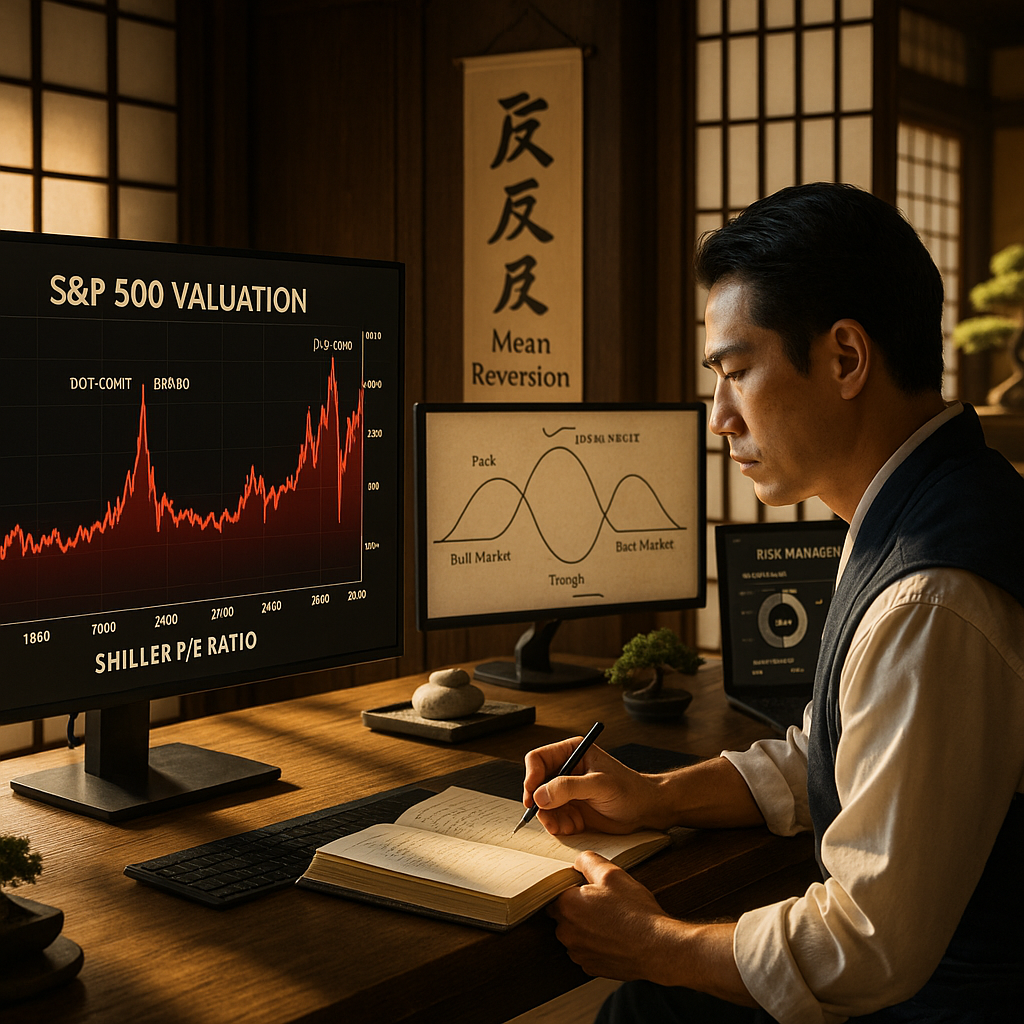
Observed sector rotations reinforce the importance of diversified exposure as market leadership continues to evolve.
Volatility Expected to Persist
Forward Look
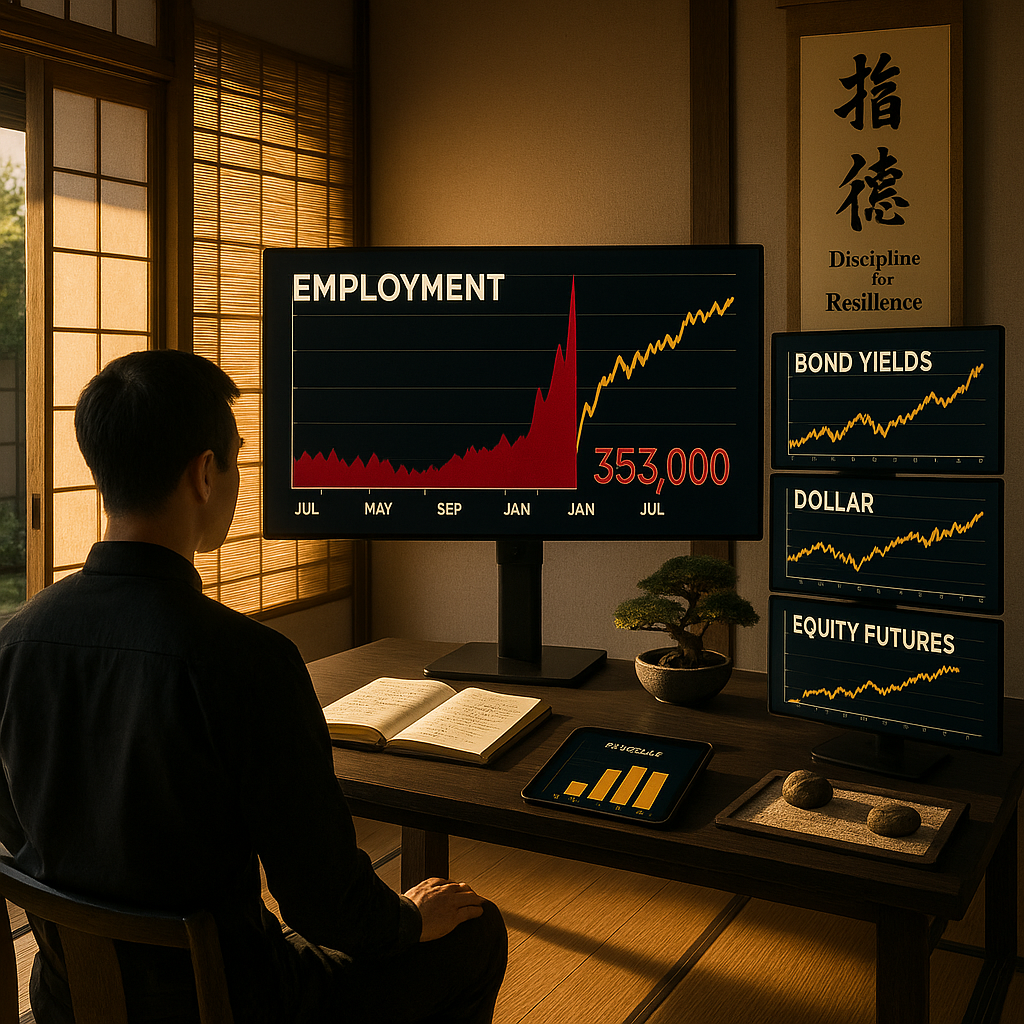
Upcoming economic data releases, particularly inflation and retail sales figures, will likely influence near-term market direction. Corporate earnings remain crucial catalysts, with major financial institutions set to report in the coming days.
Technical signals suggest that established support levels are strengthening. However, traders emphasize the need to monitor volume trends for confirmation of the rally’s durability.
Conclusion
Global equities gained renewed stability as robust U.S. advances and steadier rate expectations lifted risk appetite, especially in technology and financial sectors. Traders and investors adjusted positions in response to signs of shifting volatility and market leadership. What to watch: The next phase for market momentum will be shaped by upcoming inflation and retail sales data as well as key bank earnings reports.


Leave a Reply