
Key Takeaways
- The US Dollar Index reached its highest level of 2024, driven by strong US economic data and diminishing expectations for Federal Reserve rate cuts.
- Major emerging market currencies, including the Brazilian real and South African rand, recorded fresh lows against the strengthening dollar.
- Ongoing hawkish signals from the Federal Reserve have increased global investor caution and spurred capital outflows from riskier markets.
- Equity and bond markets in emerging economies experienced accelerated outflows as traders sought safety in dollar-denominated assets.
- Upcoming US inflation and jobs reports are critical for determining the future direction of the dollar and volatility in emerging markets.
Introduction
The US Dollar Index surged to new highs this week, supported by persistent inflation and firm signals from the Federal Reserve. This development is intensifying pressure on emerging market currencies and assets across Asia, Latin America, and Africa. As capital flows shift and volatility rises, traders are closely watching US inflation and jobs data to navigate the evolving market landscape.
Dollar Index Surges to 2024 Highs
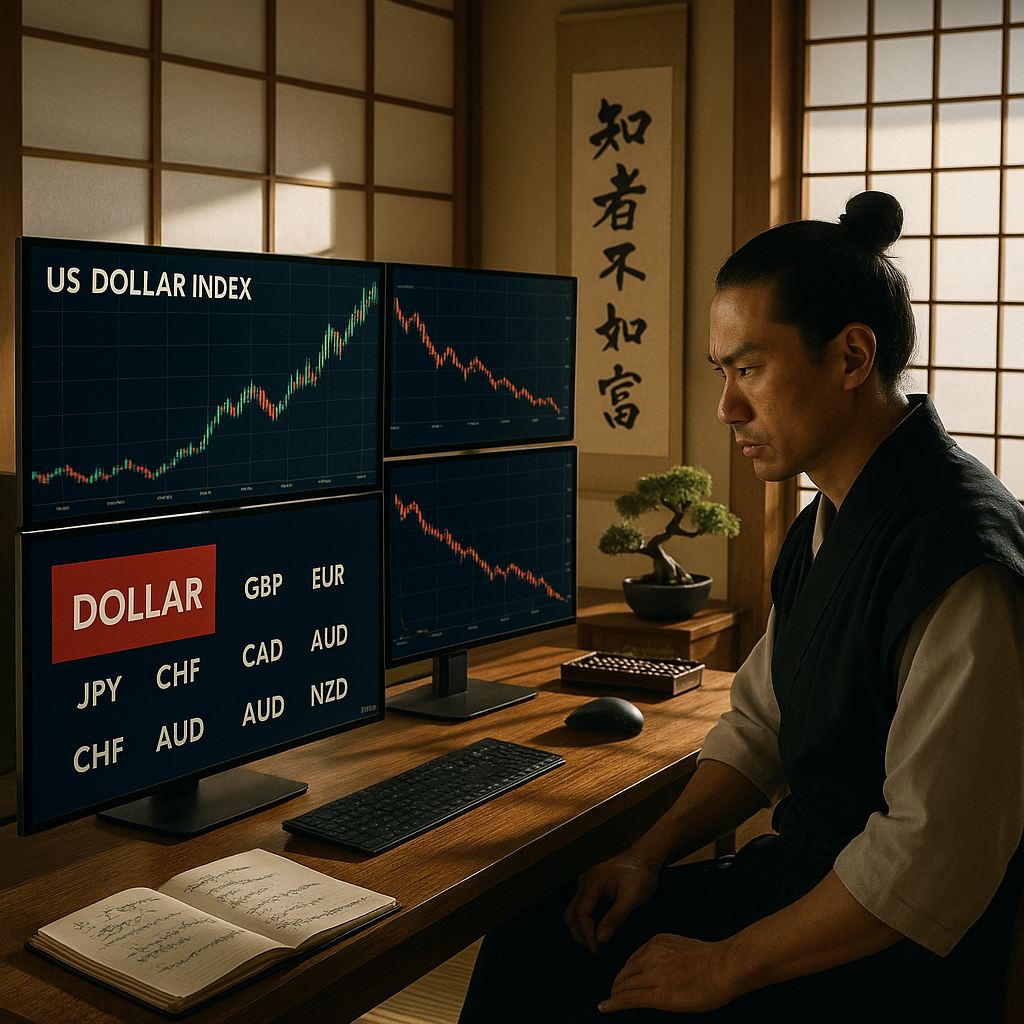
The Dollar Index climbed to 105.89 on Monday, marking its highest point since November 2023 and extending its winning streak to seven sessions. This represents a 4.2% gain since early January, with momentum building as market expectations for Federal Reserve rate cuts have diminished.
Technical analysts highlighted the index’s decisive break above the 105 resistance level, which had previously limited rallies throughout December and January. Trading volumes surpassed 20-day averages by approximately 18%, signaling strong conviction in the move.
Market analysts attribute this surge to widening interest rate differentials between the US and other major economies. The yield on the 2-year Treasury note reached 4.71% this week, maintaining a notable premium over comparable bonds in Europe and Japan.
Stay Sharp. Stay Ahead.
Join our Telegram Channel for exclusive content, real insights,
engage with us and other members and get access to
insider updates, early news and top insights.
 Join the Channel
Pressure on Emerging Market Currencies and Assets
Emerging market currencies have declined sharply, with the MSCI Emerging Markets Currency Index down 2.7% over the past two weeks. The Turkish lira touched new historic lows against the dollar, and the South African rand depreciated nearly 5% in February.
Asian currencies have also faced losses. The Korean won and Thai baht each fell more than 3% against the dollar this month. The Chinese yuan weakened to its lowest level of 2024, despite interventions from the People’s Bank of China to slow depreciation through stronger daily fixings.
The sell-off has extended to emerging market bonds and equities. The iShares J.P. Morgan USD Emerging Markets Bond ETF declined 2.1% since January 31, erasing early 2024 gains as foreign investors reassessed risks.
Role of Fed Policy Expectations
Shifts in Federal Reserve rate expectations have played a key role in driving dollar strength. Market pricing now reflects approximately 80 basis points of cuts for 2024, substantially less than the 150 basis points expected at the start of the year.
Federal Reserve officials have publicly moderated expectations for aggressive rate cuts. Cleveland Fed President Loretta Mester stated that it would be unwise to lower rates prematurely without clear evidence that inflation is returning to the 2 percent target.
Robust US economic data has reinforced this stance. January’s non-farm payrolls report showed 353,000 new jobs, well above consensus forecasts. Additionally, January’s Consumer Price Index posted a 3.1% annual increase, surpassing expectations and further tempering hopes for swift monetary easing.
Capital Outflows from Emerging Markets
Foreign investors withdrew approximately $4.2 billion from emerging market equity funds over the past three weeks, according to EPFR Global data. This marks the longest streak of outflows since October 2023 and has reversed much of the momentum gained in January.
Emerging market bond funds faced similar pressure, losing $1.8 billion over the same period. Economies with substantial dollar-denominated debt and high external financing needs are especially vulnerable as capital flows out.
International Monetary Fund researchers have raised concerns over these patterns, noting that rising US yields can spur capital outflows from emerging markets. This tightens financial conditions and complicates domestic policy decisions. Current trends follow historical precedents, where a strong dollar typically coincides with stressful periods for emerging economies.
What Traders Are Watching
Attention now turns to forthcoming Federal Reserve communications, particularly the January FOMC meeting minutes to be released on February 21. Market participants will analyze these minutes for signals on how policymakers weigh inflation risks against economic growth concerns.
Upcoming US economic releases will significantly influence dollar movements. The Personal Consumption Expenditures (PCE) Price Index, a key inflation indicator, is due on February 29. Additional manufacturing and services PMI data will offer further guidance on the pace of economic activity.
Emerging market central bank responses will also be closely monitored. The Central Bank of Brazil is set for a rate decision on March 20, while Bank Indonesia’s policy meeting occurs on February 21. Both face complex trade-offs between supporting growth and defending their currencies.
Dojo Wisdom: Navigating Market Volatility
Periods of dollar strength create both challenges and opportunities, demanding that traders adapt their strategies rather than resist prevailing trends. Discipline in position sizing becomes essential, especially when volatility increases across multiple asset classes.
Risk management should be prioritized. Traders are advised to monitor correlation patterns among currencies, equities, and fixed income, and reduce leverage during turbulent periods rather than attempting to recover losses through increased risk.
Technical analysis is particularly valuable during pronounced trend moves but requires confirmation across multiple timeframes. The most robust trading approaches integrate both technical indicators and fundamental drivers, recognizing that strong trends (such as persistent dollar momentum) can endure longer than initially anticipated.
For those looking to improve their approach to these conditions, understanding technical analysis can provide deeper insight into price action and market structure.
Stay Sharp. Stay Ahead.
Join our Telegram Channel for exclusive content, real insights,
engage with us and other members and get access to
insider updates, early news and top insights.
Join the Channel
Conclusione
The continued strength of the dollar is reshaping global markets, presenting significant challenges for emerging economies and requiring disciplined adaptation from traders. This environment emphasizes the need for a balanced approach combining technical analysis and prudent risk management as volatility remains elevated. What to watch: Federal Reserve meeting minutes on February 21, US PCE inflation data on February 29, and upcoming central bank actions in Brazil and Indonesia will help determine the next phase in market dynamics.
As volatility persists, robust risk management practices and disciplined strategy adaptation become even more vital for success.
For ongoing mindset growth under turbulent conditions, explore actionable principles in trading psychology to manage emotions and maintain focus.
Leveraging proven trading strategies can help traders navigate unpredictable currency environments while capitalizing on strong, enduring trends.




Leave a Reply