

Key Takeaways
- S&P 500 nears record high: The benchmark index is approaching its previous closing peak, indicating strong bullish sentiment.
- Corporate earnings exceed expectations: Robust results from major firms have enhanced investor optimism and supported market strength.
- Economic data reinforces confidence: Positive job numbers and consumer spending have eased recession concerns and encouraged measured risk-taking.
- Federal Reserve maintains steady policy: The central bank’s dovish signals and gradual rate path have reassured traders.
- Retail traders remain active: Rising volumes reflect increased retail participation, emphasizing the value of disciplined engagement.
- Next catalyst: inflation data due Friday: Investors anticipate key inflation numbers, which could influence the S&P 500’s trajectory.
Introduction
The S&P 500 moved close to a record high on Wednesday as strong earnings from leading U.S. companies and encouraging economic data fueled disciplined optimism among investors. With positive job reports, stable central bank policy, and rising retail participation driving momentum, attention now turns to upcoming inflation data for insights into the next stage of this enduring bull market.
S&P 500 Approaches Record Territory
The S&P 500 has nearly reached its all-time high, closing at 4,796 points. This is just 0.5% below the record 4,818 set in January 2022. The index has now risen more than 25% from its October 2022 lows, marking a return to bull market territory based on standard definitions.
Market participation has broadened considerably. Approximately 75% of S&P 500 components are trading above their 200-day moving averages, a significant increase from 45% three months prior. This signals that the rally extends beyond only the largest technology companies.
Volatility has declined alongside this steady advance. The CBOE Volatility Index (VIX) has dropped below 15, its lowest level in nearly two years. Trading volumes have averaged 10.8 billion shares daily over the past two weeks, indicating consistent investor commitment.
Stay Sharp. Stay Ahead.
Join our Telegram Channel for exclusive content, real insights,
engage with us and other members and get access to
insider updates, early news and top insights.
 Join the Channel
Corporate Earnings Provide Foundation
Fourth-quarter corporate earnings have outperformed analyst forecasts, with 78% of reporting firms beating estimates to date. The technology sector has led, showing 18.7% year-over-year earnings growth, followed by financials at 12.3%.
Apple, Microsoft, and Amazon each reported quarterly revenues exceeding consensus estimates by over 5%. These results have reinforced confidence in the resilience of large-cap technology companies. Major banks such as JPMorgan Chase and Bank of America posted stronger-than-expected results, with loan loss provisions declining for the second consecutive quarter.
S&P 500 companies are sustaining an average operating margin of 12.1%, just below the 12.7% peak seen in mid-2021. This demonstrates effective cost management and pricing power, even amid ongoing inflation pressures.
Economic Data Shows Resilience
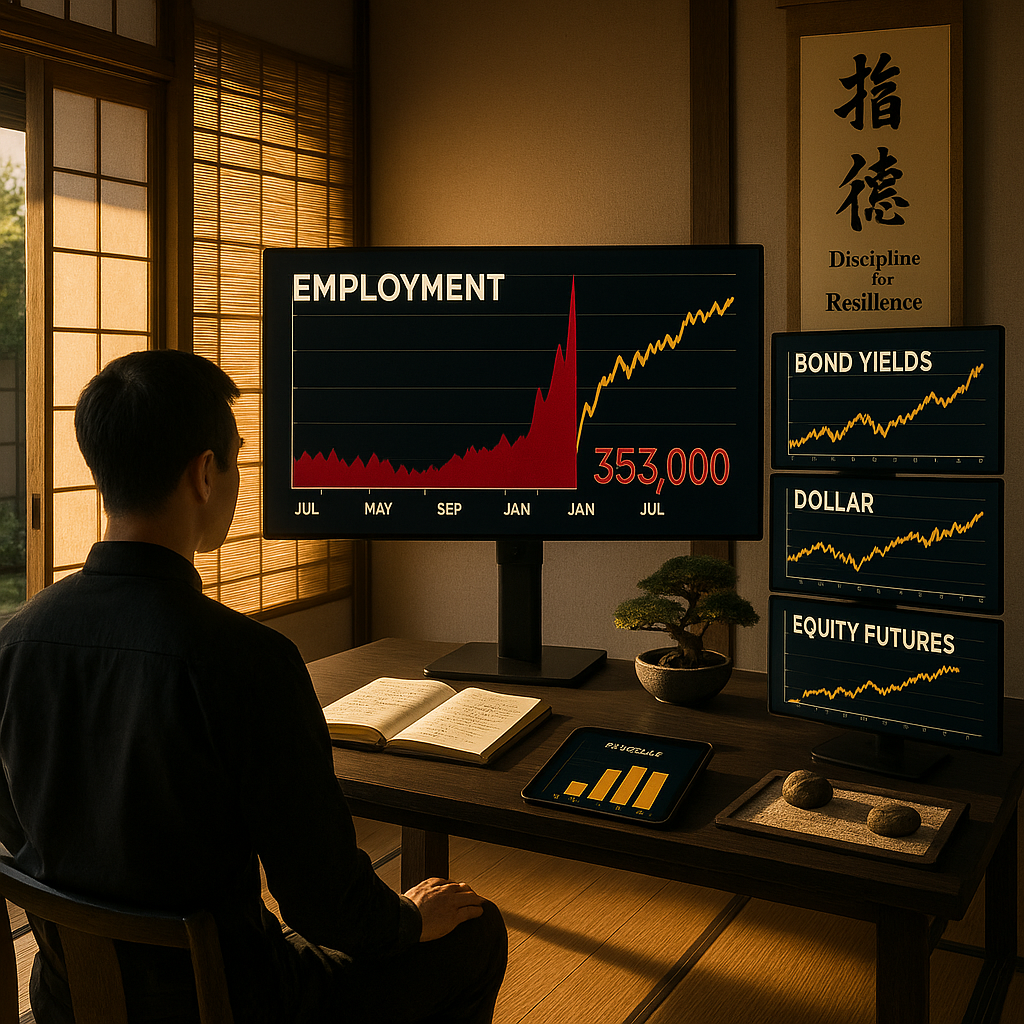
Recent economic indicators suggest moderation without significant downturn. The December jobs report showed the addition of 223,000 new positions, while the unemployment rate declined to 3.5%. These figures point to labor market stability despite the Federal Reserve’s tightening efforts.
Inflation pressures have softened, with the Consumer Price Index rising 6.5% year-over-year in December. This is down from the 9.1% peak in June. Core inflation, which excludes food and energy, has declined for three straight months, encouraging confidence in gradual price normalization.
Consumer spending remains sturdy, with retail sales increasing 1.3% in the latest reading despite higher inflation. This ongoing strength in household expenditures highlights the resilience of the economy’s largest component under elevated interest rates.
Federal Reserve Approach Shifts
The Federal Reserve has signaled a shift toward slower monetary tightening. Minutes from the December meeting show several members favoring smaller rate increases in the future. This adjustment has been key to improving market sentiment, particularly in interest-rate-sensitive sectors.
Chairman Jerome Powell stated that the committee is now “in a position to move in smaller steps” during his most recent press conference. Markets interpreted this as a softer stance compared to previous communications. Fed funds futures now indicate only two more 25-basis-point increases before a pause, down from four that were expected months ago.
With this shift, bond markets have responded. The 10-year Treasury yield has fallen from its October high above 4.2% to around 3.5%. Lower long-term rates have supported growth stocks, which benefit more from future earnings.
Retail Traders Return With Discipline
Recent data indicates individual investors are re-engaging with the market, but with more discipline than during the speculative surge of 2021. Discount brokerages have reported a 22% rise in new account openings over the last two months, while options trading volume has dropped 31% compared to a year ago.
According to the American Association of Individual Investors, retail sentiment has moved from extreme bearishness to neutrality. Still, only 32% of investors identify as “bullish,” below the 45% threshold often associated with peak optimism.
Analytics from trading platforms show increased interest in dividend-paying stocks and broad-market ETFs rather than speculative single-name equities. This suggests retail traders now prefer strategies focused on income and diversification, emphasizing greater caution.
What Happens Next for Market Participants
Several major corporate earnings reports are upcoming and may impact the market’s short-term direction. Tesla reports on January 25th, followed by Apple, Amazon, and Alphabet the next week. Together, these firms represent over 20% of the S&P 500’s market capitalization.
The Federal Reserve’s next policy announcement is on February 1st. Markets currently expect a 91% likelihood of a 25-basis-point rate increase, a departure from last year’s larger hikes. Chairman Powell’s subsequent remarks will be closely watched for changes in outlook.
Upcoming economic data, including fourth-quarter GDP figures on January 26th and the January employment report on February 3rd, will also help determine whether the economy is on course for the “soft landing” scenario, which would support ongoing market strength.
Lessons in Discipline from Market Cycles
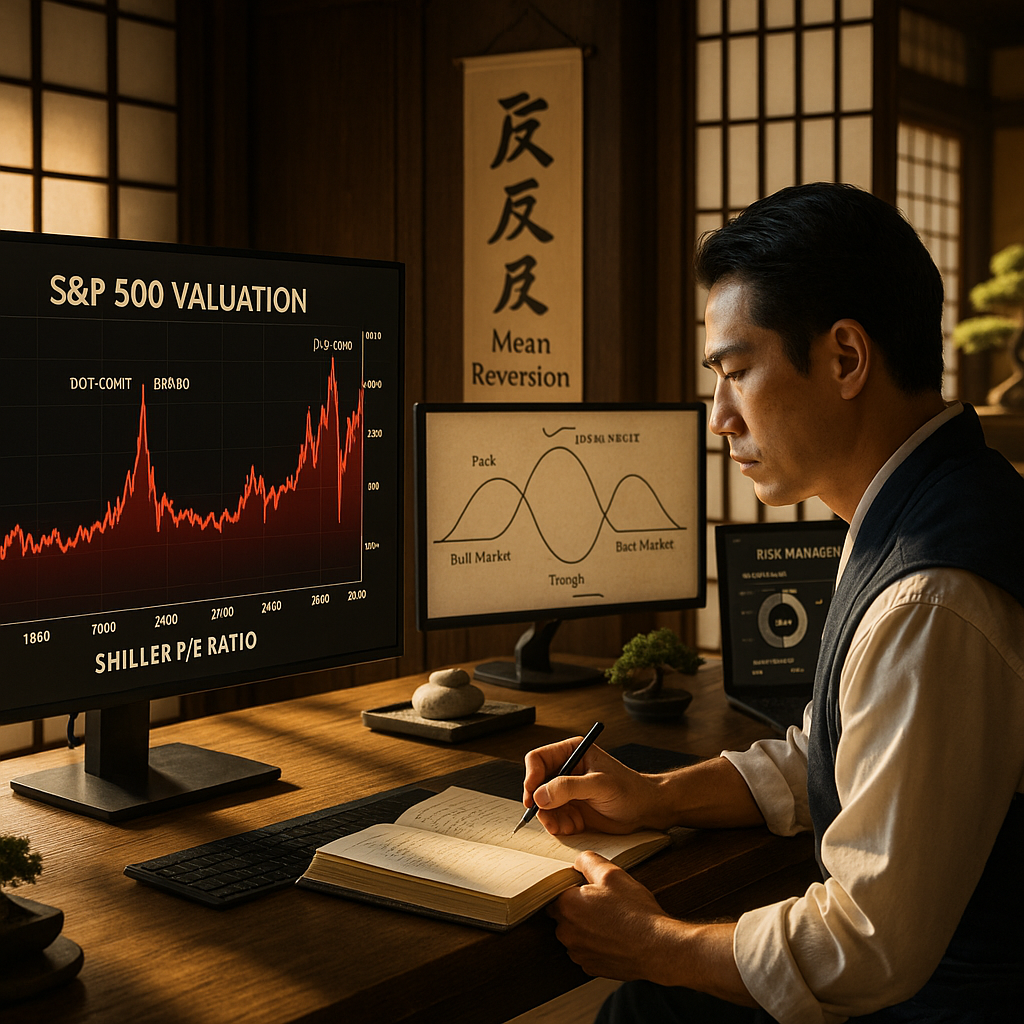
The market’s rebound from 2022 lows illustrates the importance of maintaining disciplined investment practices during volatile periods. Investors who exited at last October’s low missed a 25% recovery, emphasizing the cost of emotionally driven decisions.
Stay Sharp. Stay Ahead.
Join our Telegram Channel for exclusive content, real insights,
engage with us and other members and get access to
insider updates, early news and top insights.
Join the Channel
Historically, bull markets last between 2.5 and 5 years, with average cumulative returns above 150%. However, these figures cover a wide range of outcomes. This variability highlights why responsible position sizing and risk management are crucial, even in favorable environments.
Sector leadership has shifted repeatedly during this recovery. Energy stocks led the early phase, later giving way to gains in technology and consumer discretionary sectors. This underscores the value of diversification rather than focusing solely on previous winners. That’s a principle that distinguishes disciplined traders from those chasing momentum.
Conclusion
The S&P 500’s steady advance toward record levels reflects a broad-based recovery, fueled by strong corporate results, disciplined investor behavior, and improved macroeconomic conditions. Economic strength and evolving Federal Reserve policy have supported market confidence without excessive risk-taking. What to watch: key corporate earnings, GDP data, and the next Federal Reserve decision will be pivotal in shaping the market’s direction and testing the durability of this bull run.


Leave a Reply